


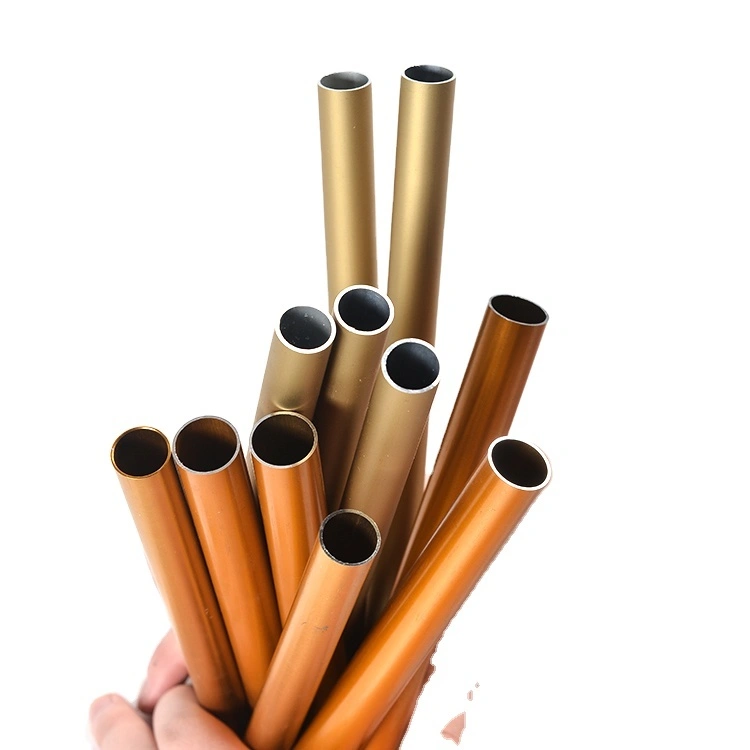
7075 T6 Aluminium Tube for Lightweight Structural Frames and Assemblies
7075 T6 Aluminium Tube
The 7075 T6 aluminium tube is a high-strength tubular product made from a zinc-bearing aluminium alloy in the T6 temper. T6 means the tube is solution heat treated and then artificially aged to reach a stable, high-strength condition. That combination of alloy and temper makes the tube a common choice where a part must stay light but still carry a real structural load, such as frames, brackets, spacers and assemblies built from tube stock.
Alloy and Temper
7075 is one of the strongest aluminium alloys in everyday use. Its strength comes mainly from zinc, with magnesium and copper added to help the alloy respond to heat treatment. In the T6 temper the alloy reaches its high-strength condition and holds it at room temperature, so a tube keeps its properties in service without further treatment. Because it is more heavily alloyed than common 6061, it is chosen when strength-to-weight ratio matters more than ease of welding.
Mechanical Behaviour
The tube is stiff and strong for its mass, so a given load can be carried with a thinner wall and a lighter section, which is why 7075 T6 tube often appears in parts where every gram counts. The alloy also has good fatigue resistance when it is not overloaded. Like other high-strength aluminium alloys, it is not intended for welded joints, since welding softens the heat-affected zone.
Machining and Fabrication
Tube in this alloy can be cut, turned, milled, drilled and tapped with normal aluminium tooling and sharp cutters. A lubricated cut keeps the surface clean and reduces built-up edge on the tool. Because the alloy is strong and somewhat less ductile than softer grades, tight bend radii are usually avoided; where bending is required, a generous radius and a proper mandrel help prevent cracking.
Surface and Finish
The tube can be supplied in a mill finish or with an anodized surface. Anodizing builds a hard, corrosion-resistant oxide layer and can be produced clear or in colour, which is useful both for protection and for identifying parts in an assembly. A mill finish is normally chosen where the tube will be machined further or where a painted or wrapped finish will follow.
Typical Applications
Typical uses include lightweight frames, support struts, spacers, brackets, drone and radio-controlled parts, bicycle and sports components, and general engineering assemblies that need a strong but light tube. The tube also suits parts that will be machined after cutting, because the alloy holds a sharp edge and keeps its shape during light cuts.